Breaking News

Popular News



Enter your email address below and subscribe to our newsletter

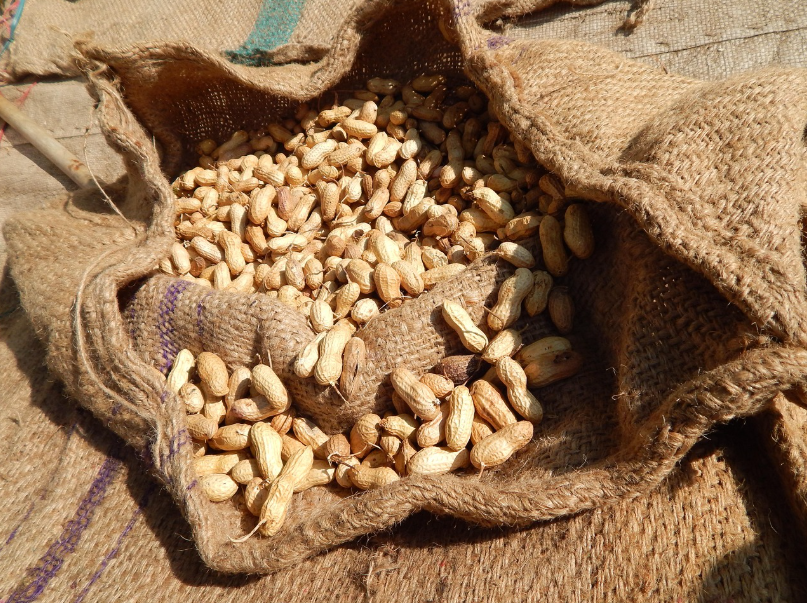
For centuries, the world viewed jute through a purely functional lens. It was the “workhorse” of the industrial world, packaged as heavy-duty “gunny bags” to transport grains, sugar, and coffee across the seas. However, the narrative of the Golden Fiber has shifted dramatically. Today, jute has officially stepped out of the warehouse and onto the world’s most prestigious catwalks.
Consequently, we are witnessing a fashion revolution where sustainability meets high-end design. Indian jute is no longer just for storage; it is a statement of style and ethics.
In the early days of the industry, farmers primarily harvested jute for its raw strength. The fiber’s coarse texture made it perfect for rugged applications. Surprisingly, the same qualities that made it a great sack—durability, breathability, and resilience—are the exact traits that modern fashion designers now crave.
While the aesthetic was once considered “rustic,” innovative processing techniques have softened the fiber. As a result, we can now weave jute into fabrics that feel as sophisticated as linen or silk.
Furthermore, the global shift away from fast fashion has accelerated the rise of jute. Consumers now demand transparency and eco-friendly materials. Since jute is 100% biodegradable and requires minimal water to grow, it fits perfectly into the “Slow Fashion” movement.
In addition to traditional weaves, technology has allowed us to blend jute with other natural fibers. For example, blending jute with cotton or silk creates a textile that is both sturdy and incredibly soft. This “Jute-Silk” blend has become a favorite for high-end sarees and evening clutches.
Moreover, many designers now showcase jute in its raw, natural state to emphasize its organic beauty. In fact, the earthy tones of unbleached jute have become the hallmark of the modern “minimalist” aesthetic.
India remains the heartbeat of this fashion evolution. Because Indian artisans possess generations of weaving expertise, they can transform raw jute into complex, beautiful patterns that machines cannot replicate.
Specifically, the move toward “Diversified Jute Products” (JDPs) has opened new doors for Indian exports. From sophisticated laptop sleeves to luxury tote bags, the “Made in India” label on jute fashion carries immense global prestige.
Ultimately, the evolution from sacks to catwalks proves that sustainability does not have to sacrifice style. As the fashion industry moves toward a circular economy, jute stands as a beacon of hope. Therefore, choosing a jute accessory is not just a trend; it is a commitment to a cleaner planet.