Breaking News

Popular News


Enter your email address below and subscribe to our newsletter
In an era where environmental consciousness is no longer a luxury but a necessity, the search for sustainable materials has led us back to our roots. For decades, plastic reigned supreme due to its low cost and versatility. However, the environmental toll—clogged oceans, overflowing landfills, and microplastic contamination—has become an existential threat. Amidst this crisis, jute has emerged as the frontrunner in the race to replace synthetic polymers.+1
Known as the “Golden Fiber” for its shimmering color and high economic value, jute is not just a relic of traditional industry; it is the cornerstone of a modern, green revolution. As the world’s leading producer of this incredible crop, India stands at the heart of this transition. Here is why jute is undeniably the ultimate plastic alternative.
The most compelling argument for jute over plastic is its biological footprint. Plastic is derived from petroleum, a non-renewable resource, and takes centuries to decompose. In contrast, jute is a gift from the earth that returns to the earth.
One of the primary reasons plastic became popular was its strength. However, jute offers a natural toughness that synthetics struggle to match. The tensile strength of jute fibers is remarkable, making it ideal for heavy-duty applications.
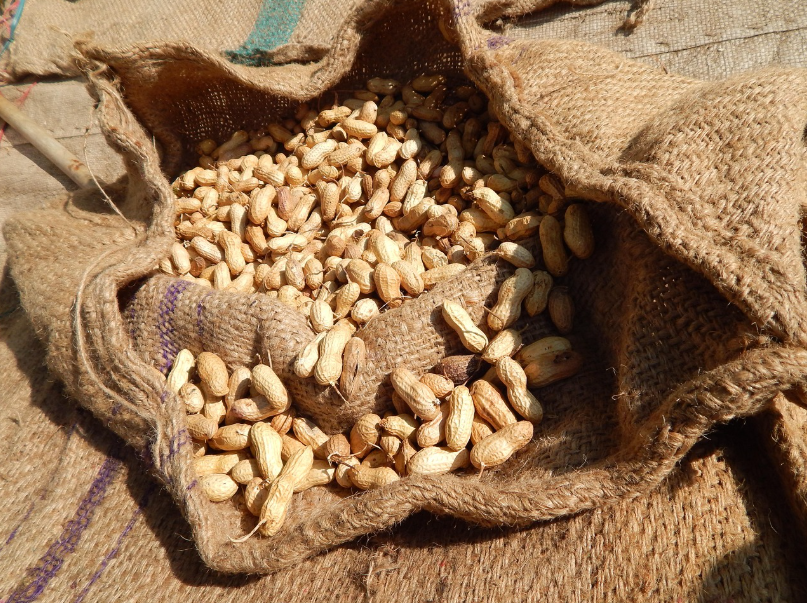
Traditionally, Indian jute was synonymous with “gunny bags” used for transporting grains and sugar. Today, through innovative processing, the fiber is being refined into high-fashion textiles, geo-textiles, and even automotive components.
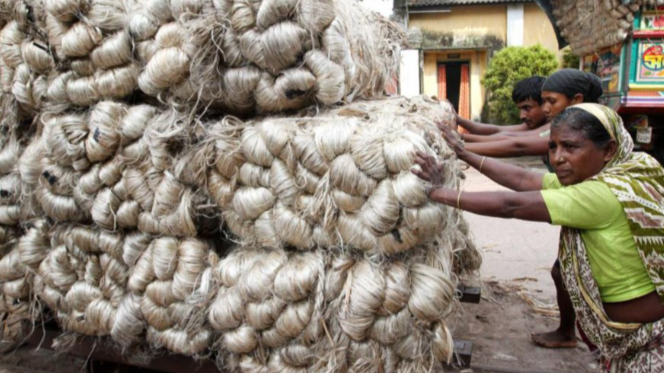
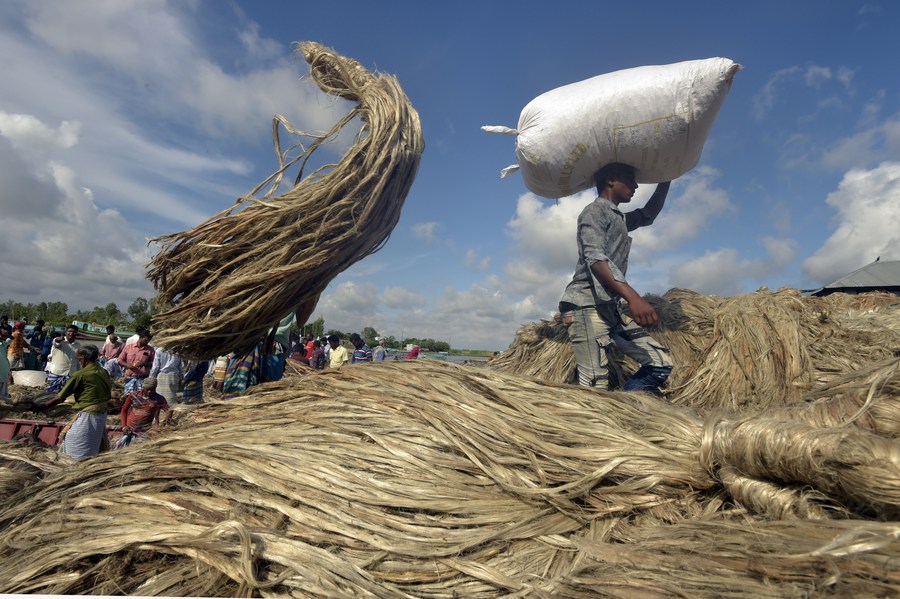
India is the largest producer of jute in the world, with the fertile plains of the Ganges-Brahmaputra delta providing the perfect climate. The Indian jute industry supports millions of people—from small-scale farmers in West Bengal, Bihar, and Assam to skilled artisans and mill workers.
By choosing jute, consumers are not just making an eco-friendly choice; they are supporting a massive socio-economic ecosystem. The “Make in India” initiative has further propelled the modernization of jute mills, ensuring that the final products meet international quality standards for export.
If you think jute is only for sacks and rugs, think again. The versatility of the Golden Fiber is being pushed to new limits by Indian scientists and designers.
A common critique of sustainable alternatives is the “green premium”—the idea that eco-friendly products are more expensive. While a jute bag costs more than a single thin plastic bag at the checkout counter, the math changes when you look at the long term.
Because jute is incredibly durable and reusable, the “cost per use” is significantly lower than plastic. Furthermore, as governments worldwide—including India—impose stricter bans and taxes on single-use plastics, jute is becoming the most cost-effective legal compliance strategy for businesses.
| Feature | Single-Use Plastic | Indian jute |
| Source | Petroleum (Non-renewable) | Plant-based (Renewable) |
| Biodegradability | 400 – 1000 years | 3 – 6 months |
| Reusability | Very Low | Very High |
| Carbon Footprint | High | Negative (Absorbs CO2) |
| Strength | Low (Tears easily) | High (High tensile strength) |
In India, jute is more than just a commodity; it is part of the cultural fabric. For generations, Indian households have used jute for everything from storage to bedding. This deep-rooted expertise means that Indian manufacturers have a unique understanding of how to treat, weave, and dye the fiber to achieve maximum quality.
As global brands look to de-plasticize their supply chains, they are turning to Indian jute for its reliability and ethical production. The industry is increasingly focused on fair trade practices, ensuring that the shift toward sustainability also benefits the rural communities that grow the crop.
Transitioning away from plastic doesn’t have to happen overnight. It starts with small, conscious choices:
The battle against plastic pollution is one of the defining challenges of the 21st century. While technology may provide some answers, nature has already provided the best one: jute.
By embracing Indian jute, we choose a material that breathes, a material that supports millions of livelihoods, and a material that respects the planet. It is strong, beautiful, and completely circular. The era of plastic is fading; the era of the Golden Fiber has truly arrived.
Whether you are a business owner looking for sustainable packaging or a consumer wanting to reduce your footprint, remember that every piece of jute you use is a step toward a cleaner, greener India and a healthier planet.